← BACK TO OCEAN TOPICS
10

Solutions, Restoration & The Future Ocean

Meet the people, technologies and nature-based solutions working to restore marine ecosystems and build a healthier ocean future.

Ocean restoration matters because protecting what remains is no longer enough. Many marine ecosystems have already been damaged by warming, pollution, overfishing, habitat destruction and other human pressures. Recovery must therefore become part of ocean conservation.

Healthy marine ecosystems can rebuild biodiversity, support fisheries, protect coastlines and store carbon. Restored mangroves, seagrass meadows, coral reefs and other habitats can also make coastal communities more resilient to climate change.

The ocean has an extraordinary capacity to recover when pressures are reduced and ecosystems are given time and space to regenerate. Successful restoration projects around the world demonstrate that decline is not always irreversible.

Restoring the ocean is ultimately about restoring the planetary systems on which human societies depend. A thriving ocean is not simply an environmental goal — it is part of building a more resilient future for life on Earth.

Ocean ecosystems can recover. When destructive pressures are removed, marine populations and habitats can rebuild — sometimes significantly within years or decades.

Marine protected areas can accelerate recovery. Well-managed and strongly protected areas can increase the abundance, size and diversity of marine life.

Nature is part of the climate solution. Mangroves, seagrass meadows and salt marshes capture and store carbon while also providing habitat and coastal protection.

Restoration works best alongside protection. Rebuilding reefs, seagrass and other habitats has the greatest long-term impact when pollution, overfishing, warming and habitat destruction are addressed at the same time.

Climate change is accelerating faster than many ecosystems can adapt.

Rising ocean temperatures, marine heatwaves, acidification and declining oxygen levels can undermine restoration efforts and place recovering ecosystems under renewed pressure.

Habitat destruction continues. Bottom trawling, coastal development, dredging and other destructive activities can damage seabeds, coral reefs, mangroves and seagrass habitats faster than they can recover.

Overfishing disrupts marine food webs. Removing too many fish — particularly key predators and ecologically important species — can weaken entire ecosystems and reduce their ability to recover.

Pollution remains a global pressure. Plastics, chemicals, agricultural runoff, sewage and excess nutrients continue to enter marine environments, affecting wildlife and degrading habitats.

Protection without enforcement is not enough. Marine protected areas can exist on paper while destructive activities continue. Effective ocean recovery requires monitoring, enforcement, long-term funding and cooperation with local communities.

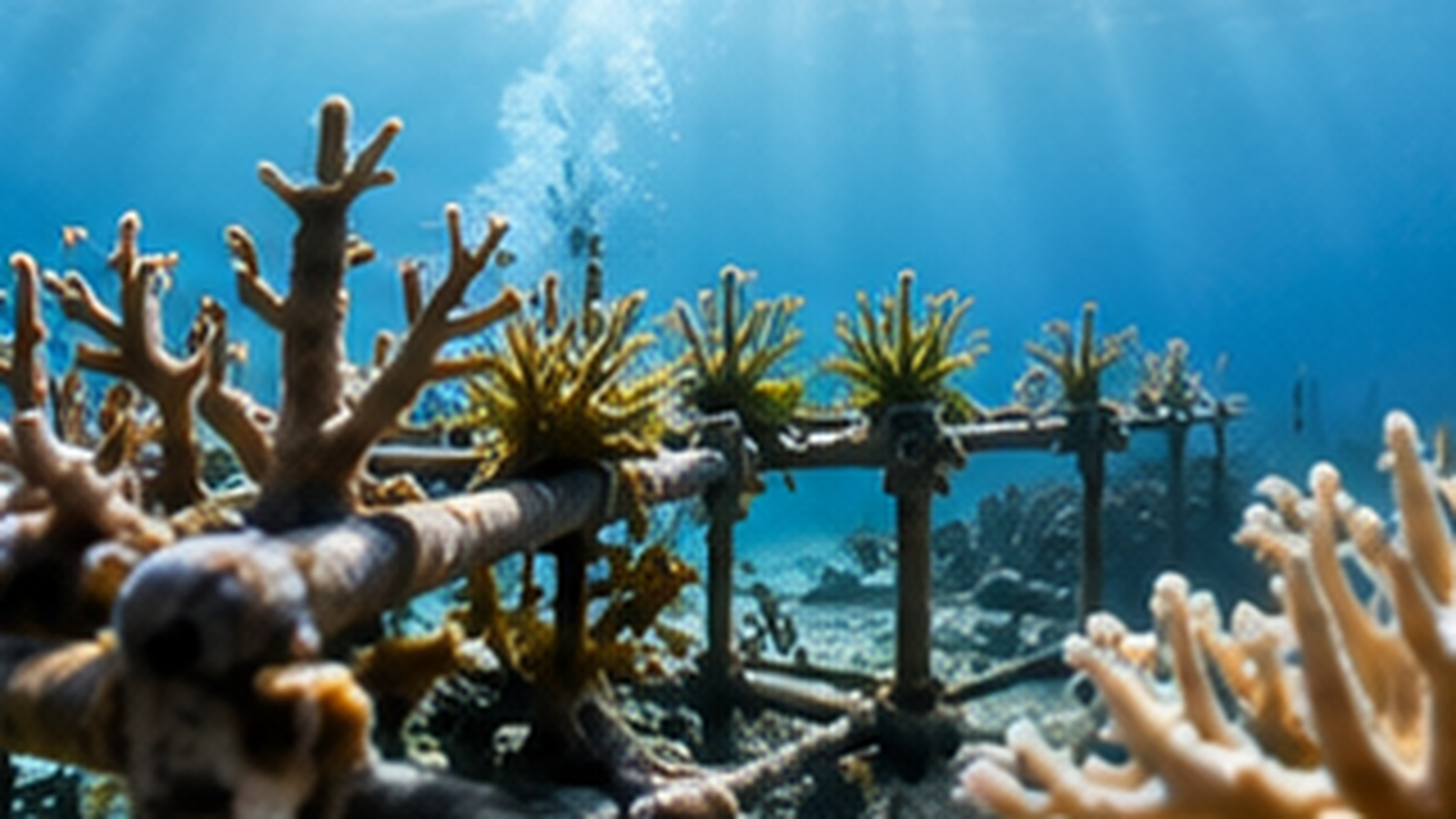
Protect and restore critical marine habitats. Coral reefs, mangroves, seagrass meadows, salt marshes and other coastal ecosystems can recover when destructive pressures are removed and restoration is combined with long-term protection.

Expand effective marine protected areas. Protected areas can give ecosystems space to recover, but protection must exist in practice — not only on paper. Successful marine protected areas require scientific planning, monitoring, enforcement and cooperation with local communities.

Transform fisheries toward sustainability. Science-based catch limits, selective fishing methods, reduced bycatch and protection of nursery and spawning grounds can help rebuild fish populations while supporting communities that depend on the ocean for food and livelihoods.

Stop pollution before it reaches the ocean. Reducing plastics, harmful chemicals, untreated wastewater and agricultural runoff at their source is far more effective than trying to remove pollution once it has entered marine ecosystems.

Restore nature as part of climate action. Mangroves, seagrass meadows and salt marshes store carbon while providing habitat, improving water quality and protecting coastlines. Restoring these ecosystems can strengthen both biodiversity and climate resilience.

Use science and technology to understand the ocean. Satellites, artificial intelligence, environmental DNA, autonomous sensors and global monitoring networks can help scientists detect changes, identify threats and measure whether conservation and restoration efforts are working.

Empower coastal communities. Long-term ocean recovery is strongest when local communities, Indigenous knowledge, scientists, governments and conservation organizations work together. People who depend directly on marine ecosystems should be part of the decisions that shape their future.

Address the root cause of ocean warming. Restoration can make marine ecosystems more resilient, but it cannot replace climate action. Rapid reductions in greenhouse-gas emissions are essential to limit ocean warming, acidification, oxygen loss and sea-level rise.

Scale solutions that work. The technologies, knowledge and conservation tools needed to improve ocean health already exist. The challenge now is to expand successful approaches, fund them over the long term and make ocean recovery a global priority.
Support ocean protection and restoration. Support organizations, projects and policies that protect marine ecosystems and restore damaged habitats such as coral reefs, mangroves, seagrass meadows and wetlands.

Choose seafood responsibly. Look for seafood from well-managed fisheries and avoid species or fishing methods associated with overfishing, excessive bycatch or habitat destruction.

Reduce unnecessary plastic and waste. Use reusable products where practical, dispose of waste responsibly and support efforts that reduce plastic and chemical pollution before it reaches rivers and oceans.

Reduce your climate impact. The ocean absorbs much of the excess heat and carbon dioxide generated by human activity. Using energy efficiently, choosing lower-carbon transport and supporting clean energy can contribute to reducing pressure on the ocean.

Use your voice. Support stronger marine protection, sustainable fisheries, climate action and effective environmental policies. Public awareness and political support can determine whether ocean solutions are implemented at meaningful scale.

Support ocean science. Research, monitoring and new technologies help us understand how the ocean is changing and which solutions are working. Support scientific institutions, citizen-science projects and organizations that make reliable ocean knowledge accessible.

Learn — and help others understand. Share credible information about the ocean and its importance to climate, biodiversity, food and life on Earth. Greater understanding can turn an invisible global problem into collective action.

Remember that everyone is connected to the ocean. You do not need to live beside the sea to influence its future. The food we eat, products we buy, energy we use and decisions we support can all affect the ocean.

Individual actions matter most when they become collective action. Personal choices are valuable, but lasting ocean recovery also requires governments, industries, scientists, communities and citizens to work together at scale.

IPCC — Climate Change 2022: Impacts, Adaptation and Vulnerability
Chapter 3: Oceans and Coastal Ecosystems and their Services
IPCC – Oceans and Coastal Ecosystems

IPCC — Special Report on the Ocean and Cryosphere in a Changing Climate
Scientific assessment of climate change, ocean ecosystems, adaptation and restoration.
IPCC – Ocean and Cryosphere Report

United Nations Environment Programme — Marine Protected Areas
Guidance and information on effective protection and management of marine ecosystems.
UNEP – Promoting Effective Marine Protected Areas

NOAA Fisheries — Restoring Coral Reefs
Information on coral restoration, ecosystem recovery and collaborative restoration programs.
NOAA Fisheries – Restoring Coral Reefs

NOAA Fisheries — Habitat Conservation and Restoration
Science-based approaches to restoring marine and coastal habitats.
NOAA Fisheries – How We Restore Habitat

IUCN — Ecological Restoration for Protected Areas
Principles, guidelines and best practices for ecological restoration in protected areas.
IUCN – Ecological Restoration for Protected Areas